


Marietta Rodriguez, president & CEO of NeighborWorks® America, joined a panel of housing leaders Wednesday to talk about the state of housing in the United States. The panel followed the release of the State of the Nation’s Housing 2026 report from the Harvard Joint Center for Housing Studies, which sponsored the event and highlighted continued affordability challenges, subdued housing activity, rising economic uncertainty – and hope.
“Supply shortages are still a headline,” even as demand weakens in some sectors, fueled by high housing costs, explained Daniel McCue, senior research associate with Harvard JCHS. Meanwhile, cost burdens for renters are at an all-time high and have worsened for homeowners. “For middle income households, burden rates are growing the most quickly.”
States and localities are seeking new tools to bring down costs and protect residents, and positive federal-level actions have occurred, McCue added, giving a nod to the 21st Century Road to Housing Act. But given the scale of the problem, “there’s so much more that needs to be done.”
Chris Herbert, managing director for JCHS, said the problem isn’t just about the overall number of homes and apartment homes, but about units at different price points. “Even if we get into a place where we have enough supply overall, we still don’t have enough housing that’s affordable to people at the lower end of the income distribution. We need more affordable rentals. We need more starter homes.”
NeighborWorks’ Rodriguez has seen that firsthand; NeighborWorks America’s network of more than 250 organizations working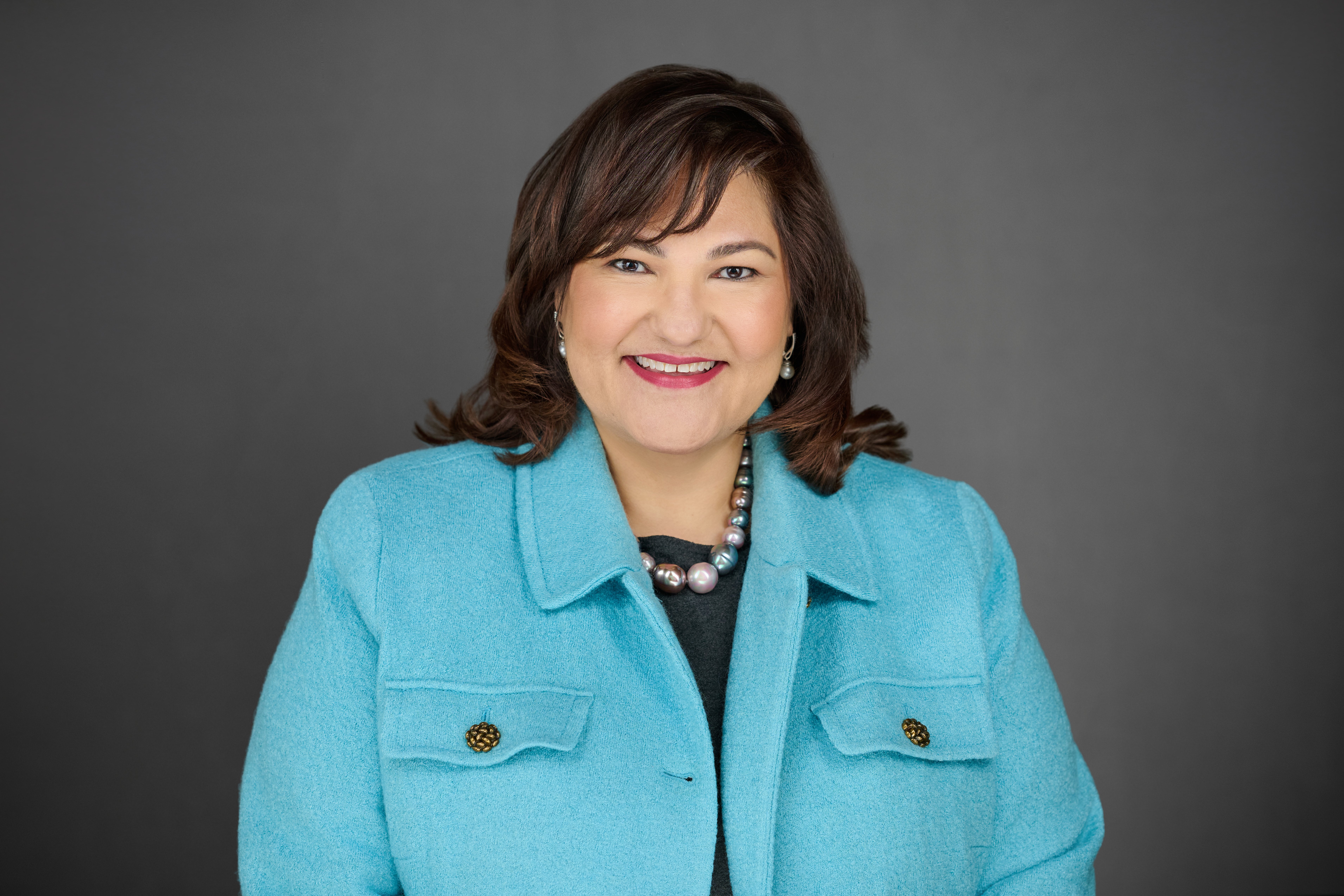 across communities own and manage more than 220,000 rental homes, while also repairing homes, preserving homes and creating new ones. “The demand on the affordable housing side is still incredibly strong,” she said.
There are fewer affordable rental properties in existence for nonprofit organizations to acquire. At the same time, we need to take note of the economic pressures that households are facing, “because they are real, right?” she said. “Increased cost of everyday items – food, insurance, gas, health care – which puts more pressure on the family’s budget, the individual’s budget, every month.”
But it’s not all bad news. Nonprofits “are getting incredibly creative in putting together very complex investment stacks to try to get deals done.” They’re innovating in other ways, too.
Rodriguez sees more room for creativity, especially if communities can incentivize development, provide housing trust funds or utilize inclusionary zoning ordinances and more. “I don’t think there’s just one thing,” she said. “It’s going to take all of those tools to really serve and meet the demand that is in communities today.”
A continued need for attainable housing
The cost of building affordable housing, without subsidies, often doesn’t pencil out, said Sharon Wilson Géno, president, National Multifamily Housing Council. But the middle and lower income sectors are where there’s currently the most demand.
Fortunately, added Stockton Williams, executive director, National Council of State Housing Agencies, “what we’ve started to see more recently is states all over the country, red states, blue states, big states, small states … taking unprecedented action on housing.”
States are also addressing some of the regulatory barriers and bureaucratic inefficiencies that make it hard to produce housing
“It seems,” said Erin Baldassari, moderator and senior editor, Housing Affordability, KQED, “like affordability is the word of the year.”
Focus on affordability
Géno said there are multiple segments of renters, but it’s clear that the housing pressures are most critical for people making the least income – people who are paying 50 to 80% of their income to keep a roof over their heads.
Rodriguez stressed the need not just to have innovative building and development tools, but innovative, flexible mortgage products to finance these deals. And she stressed the importance of nonprofit housing counselors as powerful tools to help people navigate the current market.
“Having been a counselor myself many years ago, if we can encourage people who are thinking about or desire to buy a home, to see a counselor before they start looking online or working with a Realtor, that housing counselor can really help triage that customer, indicate how close or far away they are from buying a home … and really help them shop for a home and shop for a mortgage that makes sense to them.”
Many communities have resources to help homebuyers, particularly first-time homebuyers, she said, adding that 90% of the NeighborWorks network’s homebuyers have been first-time homebuyers.
“We believe this speaks to the criticality of preparing those home buyers through counseling and education, making them aware of how to use all of the professionals they’ll meet when they’re looking to buy a home. A realtor. An insurance agent. A title company. Maybe a for-profit developer.”
Housing counselors and organizations are seeing an uptick in activity, despite the economic headwinds they are facing, she said. “They are creating new homeowners every single day.”
And if they didn’t have those headwinds? If they had more access to down payment assistance and inventory? “How much more could we be addressing this issue?”
Everybody’s talking about housing right now, Rodriguez said. “I feel like we need to exploit this moment of crisis … and make some changes that can last.”
They ended with hope. Seeing acute housing challenges spawn creativity. Seeing housing become a political priority. Seeing the promise of technology to increase sustainability and lower housing costs.
For Rodriguez, seeing the network break through challenges and the dedication, innovation and leadership have brought hope. “Once you see that kind of work, you can’t unsee it,” she said.