


What began as one veteran's journey across America has grown into a lasting partnership helping veterans find housing, access essential services, and build stronger connections in their communities.
In April 2019, Tommy Zurhellen boarded a one-way flight to Portland, Oregon, with a pair of running shoes, a mailbag, and a determination to make a difference.
His plan was ambitious: Walk across the United States to raise awareness about veteran suicide and homelessness.
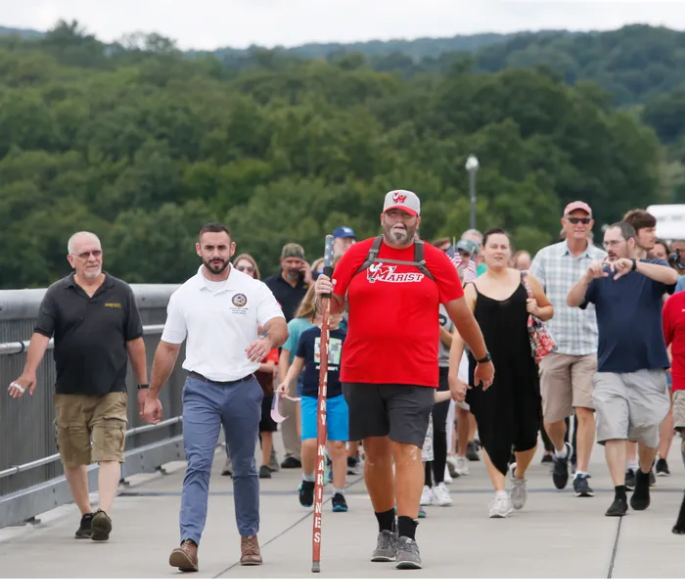
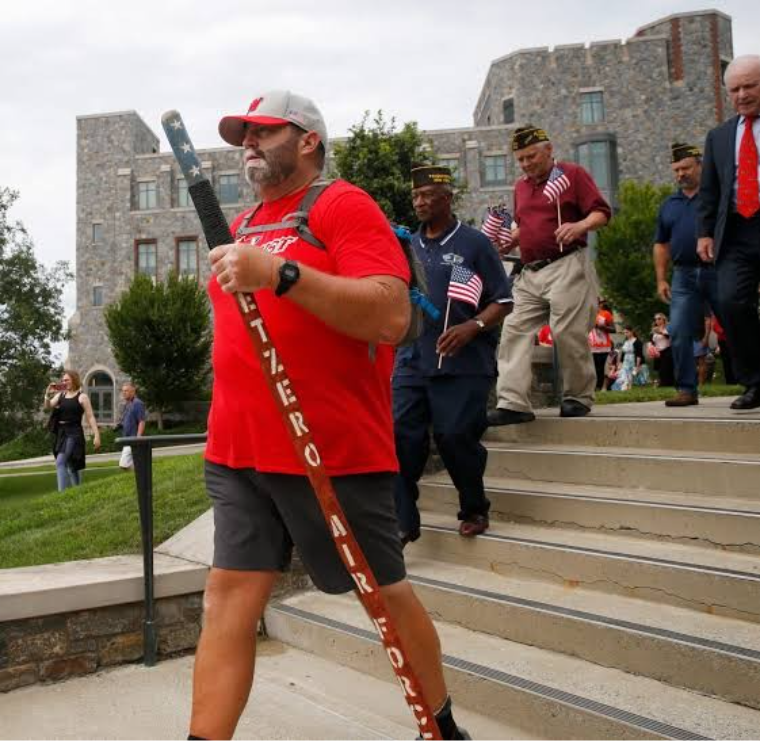
Nearly five months and 2,866 miles later, Zurhellen arrived home in Poughkeepsie, New York, having completed a journey that would change not only his life but also the lives of veterans throughout the Hudson Valley.
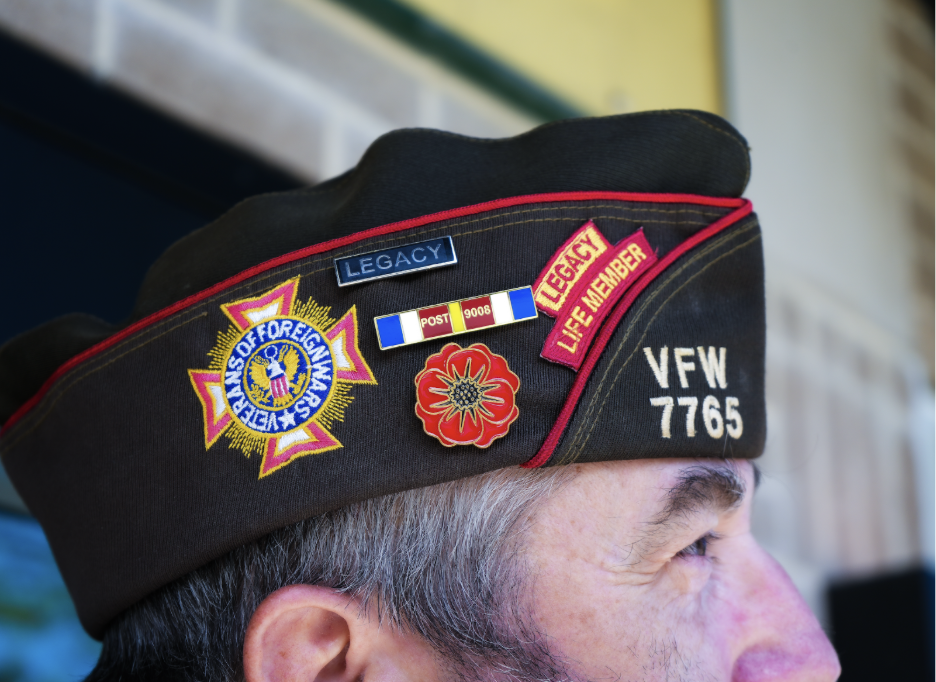
But for Zurhellen, a Navy veteran, author, and former professor at Marist University, the walk was never about the miles. It was about the people he hoped to help and the communities he believed could come together to make a difference.
Seven years later, his journey continues to demonstrate the power of resident leadership and what can happen when individuals, community organizations, and neighbors work together toward a shared goal.
A walk with a purpose
Zurhellen's journey began with frustration.
After becoming commander of his local Veterans of Foreign Wars (VFW) post in Poughkeepsie, he saw firsthand the challenges facing veterans in his community. Despite his efforts to connect veterans with available resources, he knew more needed to be done.
"I knew I wanted to do something, I just didn't know what," Zurhellen recalled.
He decided to use a sabbatical from his teaching position at Marist University to walk across the country, setting a goal of 22 miles each day. The number represented a widely cited estimate at the time of the number of veterans who died by suicide daily.
He wanted to bring greater attention to veteran suicide and homelessness while encouraging others to get involved.
With no support vehicle and little experience preparing for a cross-country journey, Zurhellen set out on foot.
"I had some running shoes, a mailbag, and some good intentions, and that was about it," he said.
Along the way, he encountered unexpected challenges, changing routes, difficult weather, and physical exhaustion. But what stayed with him most was the kindness of strangers.
People offered meals, places to rest, and words of encouragement. Veterans and community members joined him for portions of the journey. Others followed his progress and contributed to his cause.
"The thing that struck me was how much kindness people showed to me, a complete stranger," Zurhellen said.
What began as one person's effort gradually became something much larger.
Turning individual action into community impact
Long before Zurhellen took his first step across the country, he had already begun building a partnership that would help transform his advocacy into lasting community impact.
While searching for ways to support veterans, he connected with Christa Hines, president and CEO of Hudson River Housing, a NeighborWorks network organization serving communities in New York's Hudson Valley.
At the time, Hudson River Housing had experienced a significant funding loss affecting services for veterans at Liberty Station, its residential housing program.
Zurhellen approached Hines with a question: How could they work together to help?
The two quickly discovered a shared commitment to supporting veterans and began developing initiatives to address immediate community needs.
One of their earliest efforts involved collecting essential items and distributing approximately 1,000 backpacks to people who needed them.
That collaboration set the foundation for a partnership that would continue to grow.
"I would walk into Christa's office every week, every month, saying, 'What can we do this week?'" Zurhellen recalled.
When he proposed walking across the country, Hines recognized the potential to bring greater attention and support to their work.
"This one was like a shocker," Hines said, recalling his proposal. "But I was so supportive, obviously, and thought this is going to be really incredible, and it's going to take the program to a whole new level."
She was right.
The awareness and resources generated through Zurhellen's walk helped Hudson River Housing expand its services for veterans, demonstrating how resident-driven initiatives can strengthen the work of community organizations.
Creating pathways to stability for veterans
For veterans experiencing homelessness, access to affordable housing is an important part of achieving long-term stability.
At Liberty Station in Poughkeepsie, Hudson River Housing provides housing and supportive services for 26 veterans who previously experienced homelessness.
The program offers more than a place to live. It connects residents with resources to help them address challenges, regain stability, and move forward.
"Veterans have very similar housing needs as other individuals and families that we serve at Hudson River Housing," Hines explained. "They're looking for affordable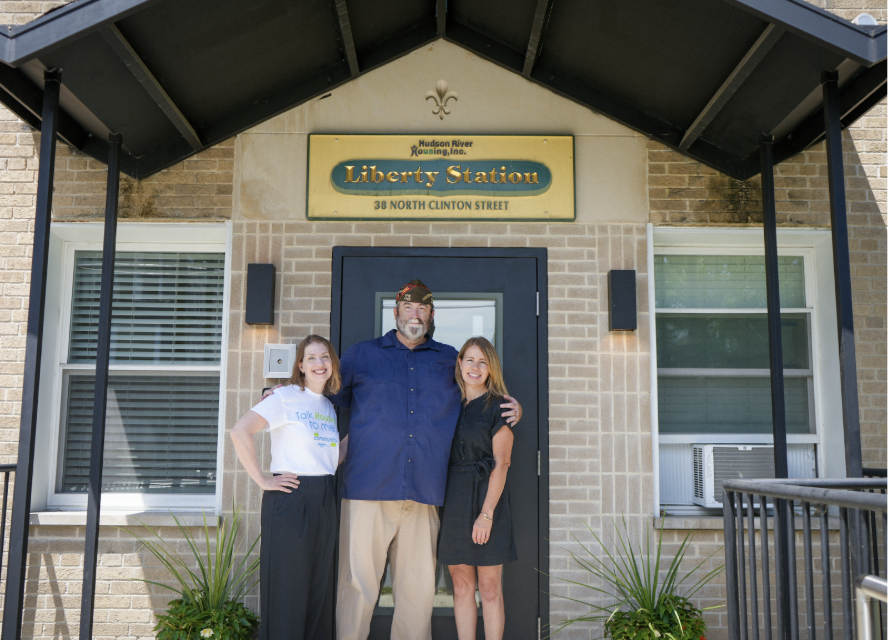 housing options, and they're also looking for wraparound services to help them get back on their feet."
Zurhellen understands the importance of that support through his own experience as a veteran.
He noted that transitioning from military service to civilian life can be difficult, particularly for veterans who are navigating unfamiliar systems or reluctant to seek assistance.
"Veterans are the first people to offer help, but the last people to ask for help," he said.
That shared experience is one reason Hines believes resident leaders like Zurhellen are essential to effective community development.
"He also has lived experience as a veteran," Hines said. "He can relate to the veterans here."
By bringing his perspective, relationships, and commitment to the work, Zurhellen has helped strengthen the connection between veterans and the services available to them.
The impact didn't end with the walk
Although Zurhellen completed his cross-country journey in August 2019, his work with Hudson River Housing continued.
Proceeds from the walk helped launch a free transportation program for veterans, providing rides to medical appointments, grocery stores, and other essential destinations.
According to Hines, the program provided nearly 3,000 rides during its first 18 months, serving veterans living at Liberty Station and others throughout the community.
The partnership also led to additional initiatives focused on meeting practical needs and strengthening community connections.
Through Fill Tommy's Truck, Zurhellen and Hudson River Housing collect essential supplies for people served by the organization. Other efforts have included Operation Cookie Drop, which distributes donated Girl Scout cookies, and Anthony's Walk, an annual event honoring Anthony Gray, a Marine Corps veteran and former Liberty Station resident who died in 2020.
Anthony's Walk has brought hundreds of community members together to honor Gray's memory and demonstrate continued support for local veterans.
Zurhellen's involvement has also expanded beyond volunteer service. He served on Hudson River Housing's board of directors before joining its staff to help broaden transportation services.
For Hines, the partnership illustrates how community members can contribute valuable experience, ideas, and leadership to the organizations serving their neighborhoods.
"The partnership that Tommy and I have formed has been hugely instrumental for all the programs at Hudson River Housing," she said.
The work also demonstrates an important principle of community development: Meaningful progress often comes from building relationships, identifying shared priorities, and finding practical ways to address local needs.
Resident leadership starts with showing up
During a recent conversation with Elizabeth Druback Celaya of NeighborWorks America, Zurhellen reflected on his journey and what it means to be a resident leader.
For someone whose work has reached people across the country, his definition of leadership is surprisingly simple.
"All it takes is passion and a little bit of patience," he said.
Zurhellen believes people do not need extraordinary resources, professional credentials, or specialized skills to make a meaningful difference in their communities.
Instead, they need a willingness to act, learn, and work alongside others.
"You don't have to have a million dollars. You don't have to have a special background or anything. All you need is a desire to help your neighbors," he said.
His perspective reflects a principle at the heart of NeighborWorks America's approach to community development: Residents are essential partners in identifying local needs, shaping solutions, and creating lasting change.
NeighborWorks America, a congressionally chartered nonprofit corporation, supports a national network of nearly 250 organizations dedicated to creating opportunities for people to live in affordable homes, improve their lives, and strengthen their communities.
Through resident engagement and leadership development, NeighborWorks network organizations help community members build the relationships, skills, and opportunities needed to shape the future of their neighborhoods.
Zurhellen's experience shows how that leadership can take many forms.
It can begin with a conversation, a volunteer opportunity, a new partnership, or even a walk across the country.
But as Zurhellen learned, making a difference is rarely something one person accomplishes alone.
"We think of leadership as taking people, moving them forward," he said. "But really leadership is collaboration, letting people in, letting people work together, finding the best way for them to make a difference."
One person can start a movement
When Zurhellen began his journey in Portland, he carried a question that would stay with him throughout the walk: Can one person make a difference?
Today, he believes the answer is yes.
His walk brought national attention to challenges facing veterans, but its most lasting impact can be seen closer to home.
It is reflected in the veterans who received transportation to essential appointments, the residents who found support at Liberty Station, and the community members who continue to contribute their time and resources.
It is also reflected in the partnership between Zurhellen and Hudson River Housing, which continues to create opportunities for veterans in the Hudson Valley.
For Zurhellen, the lesson is that meaningful change begins when people recognize their ability to contribute and invite others to join them.
"If you think that one person can't make a difference, you're wrong," he said. "Because if you just have the passion, and again, a little bit of patience to see things through, you're gonna do it."
His journey began with one person taking the first step.
Seven years later, it continues through the many people who have chosen to walk alongside him.
Because strong communities are built when residents have the opportunity to lead, organizations have the capacity to respond, and neighbors come together to turn ideas into action.