


I've spent a lot of years working on housing across South Dakota.
I drive through rural towns, and I see the need. I talk with residents and community groups, and I hear firsthand about the challenges they are facing. I've talked with employers who have had positions open for six months or longer. They have candidates interested in working. What they don't have is housing.
I hear some version of that story in almost every community I visit. Our local economies are holding up their end. Our housing isn’t keeping pace.
GROW South Dakota is a statewide nonprofit headquartered in Sisseton, and every year we help hundreds of families with down payment assistance, mortgage loans, home improvements, and housing counseling. We spend time sitting down with business owners who recognize that finding and retaining workers is closely tied to having adequate housing available in their communities.
Housing problems in rural South Dakota also look different from the ones that make national headlines. Sometimes it's an older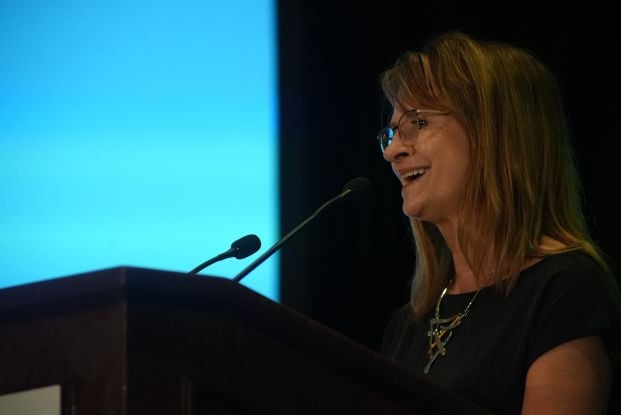 house that would cost more to fix up than it would appraise for. Sometimes it's a contractor who has to drive two hours each way to reach the job. Sometimes it's a lender who would like to make the loan but can't find enough recent sales in the town or in nearby communities to support the appraisal on a modest home. You won't find any of those costs on a closing statement, but these costs add up, and they are real.
Employers feel every bit of it. Businesses tell us their new hires can't find a place to live. We’ve seen nurses and teachers struggle to find housing. When a town can't house the people it hires, it stops growing. To me, that makes housing an economic development issue every bit as much as it's a community development one.
For many of our South Dakota tribal communities, the climb is steeper still. Generations of limited access to mortgage lending have kept homeownership out of reach for too many families. Partnerships make a real difference here. Lakota Funds, the Dakota Coalition, the South Dakota Native Homeownership Coalition, Four Bands, and others have been doing steady, patient work built on relationships and trust, and the good news is that they are opening doors. Building homeownership on tribal land takes years. It takes families who keep coming back and investing in their communities. It also takes strong partnerships from community groups.
GROW South Dakota is a member of the NeighborWorks® America network, which includes nearly 250 community-based housing organizations in almost every state, the District of Columbia, and Puerto Rico. Here at home, we're one of four organizations in the Dakota Coalition, serving rural and Native communities across both South Dakota and North Dakota. The Dakota Coalition is seeking to build a capital base that will help homeowners more readily access affordable capital that often isn’t available.
In fiscal year 2025, the four of us in the Dakota Coalition helped 117 households become homeowners. We put $1.59 million in NeighborWorks America grants to work and brought in more than $213 million in total investment alongside it. That comes to about $134 for every grant dollar. In South Dakota, projects run on thin margins and long distances. When one grant dollar can bring another $134 to the table, a project that would have waited another year, or never gotten off the ground, gets built this year.
So, what would help? Flexible financing tools that work for communities of all sizes, from our smallest towns of just a few hundred people to larger rural communities of several thousand. Technical assistance from people who understand how building works in rural places. Partners who are willing to measure progress in years and stay with us through those years.
The good news is that a lot of this strategy already works, and we've seen firsthand success. When housing is on the agenda at the very first economic development meeting, a community is in a much better position to grow. When builders, lenders, employers, and local leaders sit down together, they get projects done that none of them could manage alone.
Small towns in South Dakota have always solved their toughest challenges by pulling together. Housing is one of those challenges. If we want our businesses to grow and our communities to remain strong, we must make housing part of the conversation from the very beginning.
Marcia Erickson is the CEO of GROW South Dakota, a statewide nonprofit based in Sisseton.