


At the Housing Our Relatives Summit last month in Anchorage, Alaska, participants did more than attend panels and presentations. They rolled up their sleeves, shared lived experiences and worked together to develop practical strategies for advancing Native-led housing and economic development solutions.
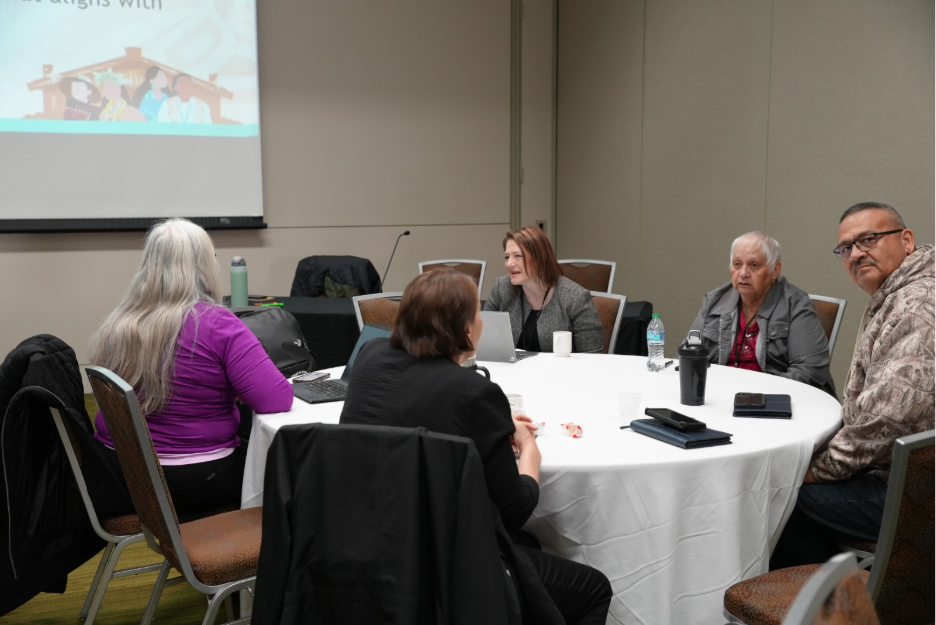
The summit’s Communities of Practice sessions were designed as collaborative working spaces where participants could move beyond discussion and focus on actionable ideas, policy recommendations and long-term collective strategies. Each session centered on peer learning, resource sharing and identifying solutions grounded in Native values and community realities.
One of the featured Communities of Practice, “Elevating Housing as Our Economic Driver,” explored how housing can serve as a foundation for economic opportunity, workforce development and self-determination in Native communities.
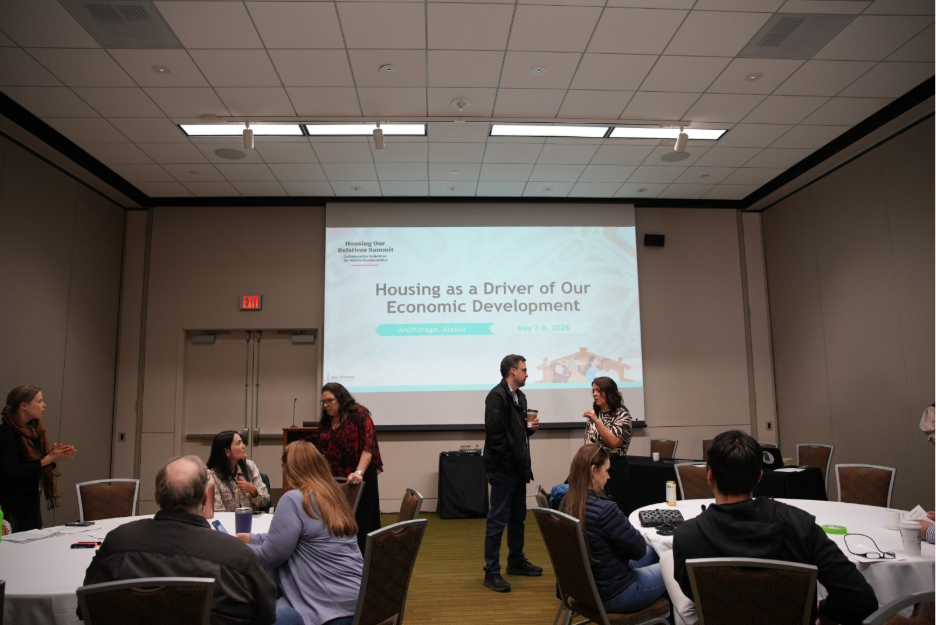 Participants broke into smaller working groups focused on workforce housing, wealth circulation, real estate ecosystems and comprehensive community planning. Across discussions, attendees emphasized that Native housing strategies must be community-driven, culturally grounded and connected to broader systems of economic stability and well-being.
In conversations around workforce housing, participants discussed the need for stronger land use policies, mortgage and lending systems and tribally led housing developments that support essential workers and future generations.
“Our top bold action is complete tribally led mixed-income skilled worker project,” one participant shared during the workforce housing report out. “Our Native value that must guide this work is seven-generation thinking.”
The Wealth Circulation Group focused on redefining wealth through Native perspectives. Participants discussed how concepts like family stability, opportunity and community well-being often hold greater significance than traditional financial definitions of wealth.
“What wealth means off the reservation is drastically different than what it means on the reservation,” one participant said. “The definitions we got a lot were opportunities, family and stability.”
The group also highlighted the importance of stronger data systems and needs assessments to support advocacy, planning and policy development. Participants emphasized that communities need reliable, community-centered data to better understand migration patterns, housing needs and long-term economic trends impacting tribal communities.
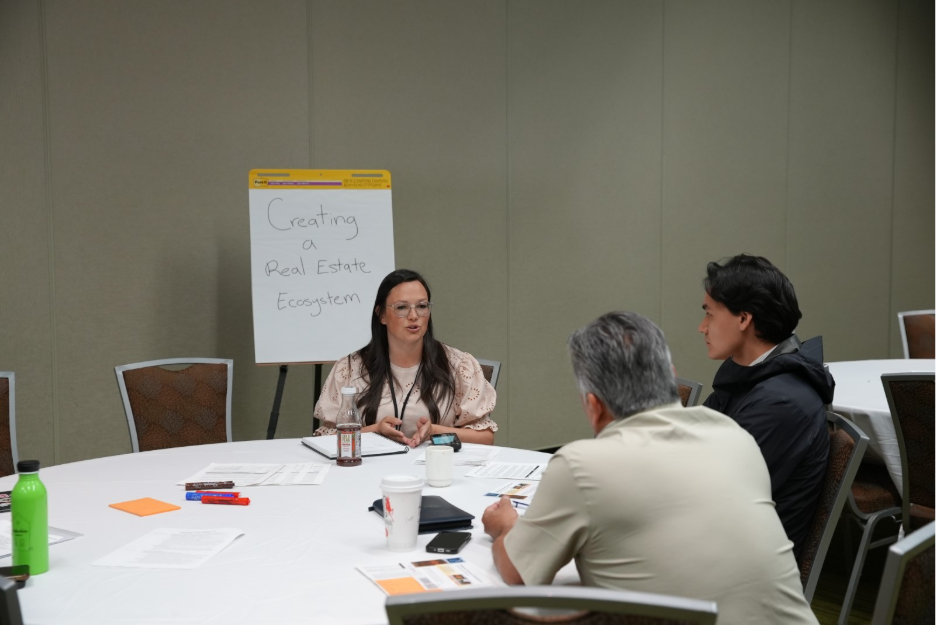
Another working group focused on building stronger tribal real estate ecosystems and addressing barriers within appraisal and valuation systems. Participants discussed the challenges tribal communities face when appraisals fail to reflect local construction realities, market conditions and long-term community value.
“We’re helping our tribal members have that value to start with instead of letting appraisers come up with their own value and it being way under,” one participant explained.
Groups explored strategies including bundling appraisals, improving access to comparable sales data and strengthening tribal authority over valuation processes. Participants also discussed the importance of educating appraisers and inspectors about tribal housing systems and construction environments.
Throughout the sessions, attendees repeatedly emphasized the importance of self-determination and tribal control over housing and economic systems. Conversations highlighted the need for Native communities to shape policies, financing structures and development strategies that reflect local priorities rather than externally imposed models.
Comprehensive community planning discussions focused heavily on trust, collaboration and collective responsibility. Participants spoke openly about the importance of strengthening relationships, learning from one another and bringing additional expertise into communities when needed.
“We would not be in this room if our people were not resilient,” one participant reflected. “Instead of finding ways to criticize or pull down, it’s finding ways to lift our community.”
As discussions moved into strategy-building, participants identified several policy priorities and urgent next steps. Recommendations included modernizing the Native American Housing Assistance and Self-Determination Act, improving funding flexibility, expanding financial literacy education, strengthening tribal authority over appraisal systems and creating additional convenings and training opportunities to continue peer learning beyond the summit.
Across every conversation, one message remained consistent: Native communities already possess deep knowledge, expertise and innovative solutions. The challenge ahead is creating systems, partnerships and investments capable of supporting those solutions at scale.
The Communities of Practice sessions reinforced that housing is not only about physical structures. It is about economic opportunity, cultural continuity, collective well-being and creating pathways for future generations to thrive.