

 Print page
 Angela Bannerman Ankoma wanted her mother to have peppers, yams, and other foods she missed from her native Ghana. A 30-year resident of the densely populated, culturally diverse West End in Providence, Rhode Island, the community where she grew up, Ankoma says she knew immigrants in her community who would travel as far as New Jersey to find or sell produce and specialty items that were native to their diet. And she felt for the people in her neighborhood who just needed access healthy food that was culturally responsive.
neighborworks america honors local heroes who transform their communities
Release date: 2/16/2021
NeighborWorks America recognizes the 'unsung heroes' who help communities rise above challenges and map a new way forward and awarded six community leaders with its annual Dorothy Richardson Award for Resident Leadership.Contact:
NeighborWorks America Media
202-760-4097
[email protected]
Tasha Oliverson is a fighter. She stands up for what she believes in. She fights for the powerless. She works to give a platform to people who feel they have no voice. Through her activism, leadership and volunteerism, Tasha has helped to build a safe space for the LGBTQ+ community in Roseburg, Oregon, a small city located in the Umpqua River Valley in southern Oregon.
College freshman Vanesa Medrano has a vision to inspire the youth in her Near Northside community in Houston, Texas. Through Millennialz Youth Fest, the community organization she founded with friends, she motivates young people to give back to the community, get involved and make their voices heard.
Rasheada Caldwell founded Let Me Be Great #44 in 2018 to honor the memory of her beloved son, Rasheed Baker. The young man was known for being patient and kind; for his ability to make people around him smile; and for his positivity.
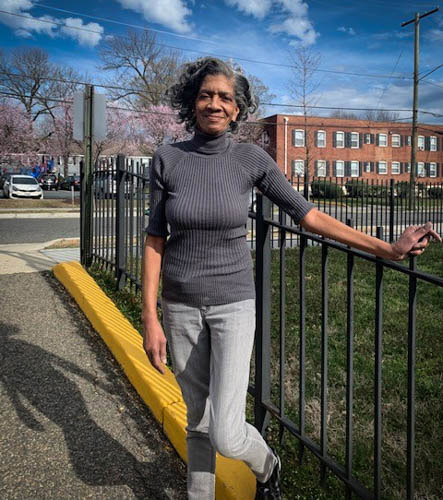 When Evelyn Harrison learned her apartment building in Southeast Washington, D.C., was being sold she was shocked. "We were surprised because we never heard anything about it," says Evelyn.
In Lincoln, Nebraska, Tim Rinne and Kay Walter launched an urban gardening movement in their Hawley neighborhood. In an area classified as a food desert, the couple devised a plan to increase access to fresh, healthy produce, while also developing a way to bring their neighbors closer together. The idea formed about 10 years ago when Tim became increasingly more concerned about how climate change could potentially affect the food supply.
In the laundry room of White River Estates in Hesperia, Michigan, the colors are in the baskets that sit on top of the washing machines. They're also on the wall, thanks to a new mural project meant to bring people together. The project, painted by local artist Renae Wallace, draws on in the rural community's river and surroundings.
A new deck for a retired veteran. An overgrown yard, weeded and tamed. In Green Bay, Wisconsin, NeighborWorks Green Bay is joining with Neighborhood Associations and the city to work on these projects and more. It's part of their Good Neighbor Week, held Sept. 21 to 27, the week leading up to National Good Neighbor Day.

Get the latest in housing and community development trends and news.

Visit the NeighborWorks' store for homeownership resources.
Connect With Us


1255 Union St. NE, Suite 500
Washington, DC 20002
202-760-4000