

 Print page
Affordable housing and “dream homes” aren’t often part of the same conversation. But at come dream, come build (cdcb) in Brownsville, Texas, they’re one and the same. cdbc’s award-winning program, DreamBuild, creates volumetric modular grow homes – houses that are built in a factory, installed on-site and can easily be expanded as residents’ needs and finances shift. It's the type of regional solution that the NeighborWorks network is known for.
The cost of housing in the U.S. has been climbing and for many families, it’s harder than ever to keep up. Between rising property values, stricter lending conditions and limited access to upfront capital, the path to homeownership can feel nearly impossible, especially for first-time buyers without financial support.
NeighborWorks® America has welcomed 14 new Business Intelligence fellows, representing 10 organizations from the Southern and Northeastern Regions in the NeighborWorks network. All of the fellows are receiving training on using Tableau software for data analytics and visualization, and will focus on property inheritance issues, which has been identified as major challenge in communities served by network organizations and a major obstacle to building generational wealth.
The fellows program this year is being sponsored by TD Bank.
When people tell the story of America, they often talk about national leaders, historical events and major milestones.
But America's story has always been written closer to home.
In many communities across the country, housing programs operate in silos.
Emergency shelter exists in one space. Transitional housing exists somewhere else. Homeownership programs sit separately from rental assistance. Financial capability services are often disconnected entirely.
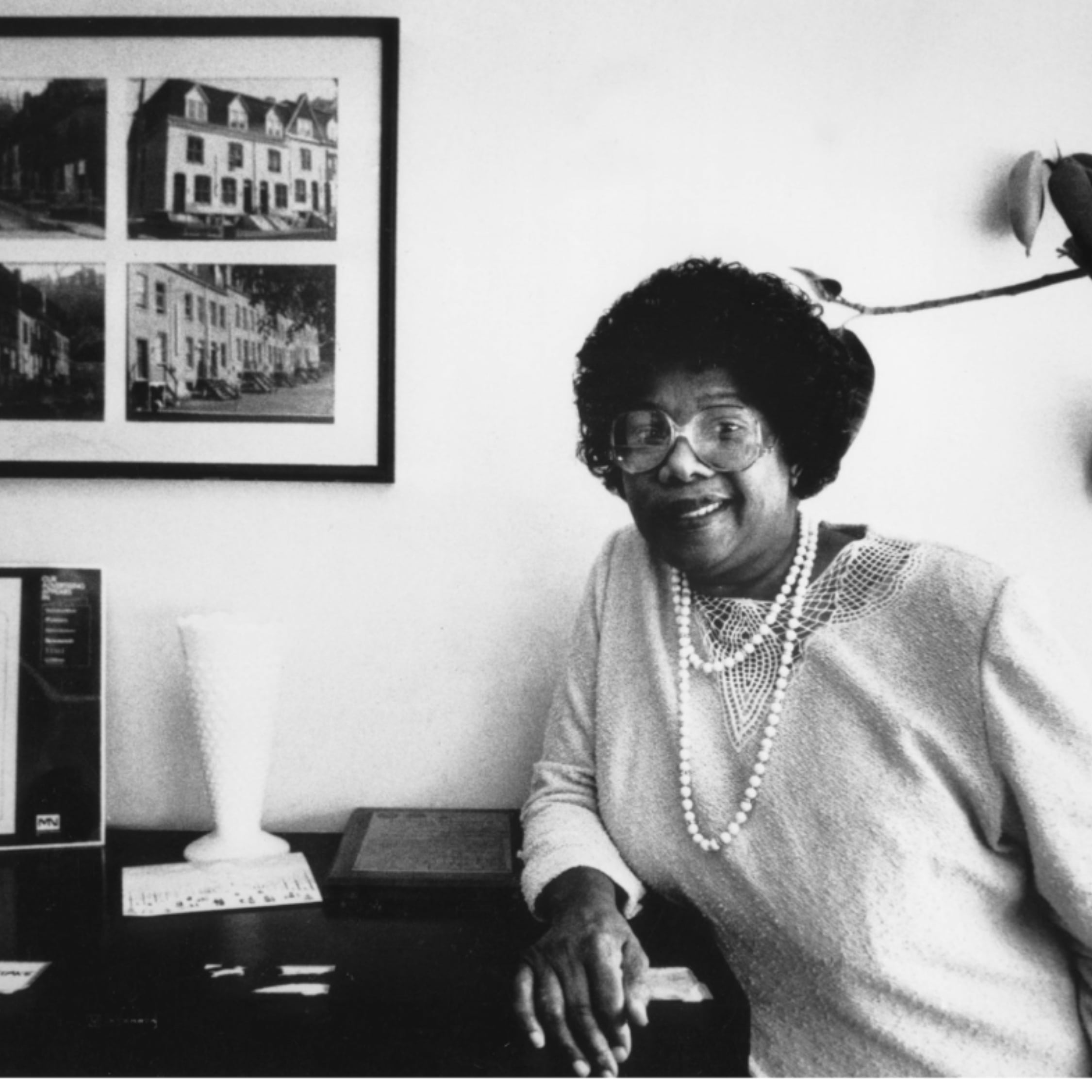
For more than 20 years, Marie Shelton rented the same three-bedroom house in Charleston, West Virginia. Today, she owns it.
“I raised my kids in this house. Grandkids too,” she said. It’s just blocks from her office at the West Virginia Department of Transportation, with a big backyard and multiple fireplaces that she decorates for Christmas and in the fall.
Shelton’s path to homeownership started with an ultimatum: Her landlord had decided to sell the place that she called home. If she didn’t buy it, the landlord said, she would have to move.
Marietta Rodriguez, president & CEO of NeighborWorks® America, joined a panel of housing leaders Wednesday to talk about the state of housing in the United States. The panel followed the release of the State of the Nation’s Housing 2026 report from the Harvard Joint Center for Housing Studies, which sponsored the event and highlighted continued affordability challenges, subdued housing activity, rising economic uncertainty – and hope.
There is strength in NeighborWorks® America’s network of nearly 250 nonprofits from across the country. Jim Peffley, CEO of NeighborWorks Capital, a community development financial institution (CDFI) created to serve NeighborWorks network organizations, wants to harness that strength to collectively raise capital at scale – and with better terms. The ultimate goal is to bring attractive capital to communities that often do not have access to capital with the best terms.
At first glance, it looks like a modest apartment building tucked into downtown Anchorage.
But inside The Adelaide, operated by NeighborWorks Alaska, the work happening every day is much bigger than housing alone.
During a recent site visit to Alaska, leaders from NeighborWorks® America toured the single-room occupancy property, known as an SRO, to better understand how supportive housing models are helping residents experiencing homelessness and housing instability find safety, stability and community.
Nearly 200 NeighborWorks® network organizations celebrated NeighborWorks Weeks this year with activities, groundbreakings, block parties and more. Below, please find stories and snapshots from some of the gatherings, with more to come.
Building a community for seniors in Las Vegas
Nevada HAND, a NeighborWorks network organization in Las Vegas, Nevada, broke ground last week – NeighborWorks Week – on its largest development for older Americans to date.

Get the latest in housing and community development trends and news.

Visit the NeighborWorks' store for homeownership resources.
Connect With Us


1255 Union St. NE, Suite 500
Washington, DC 20002
202-760-4000