

 Print page
Olivia Gomez grew up in Planada, a small community of about 4,000 people in California’s Central Valley. Her parents picked tomatoes, peaches and figs, and she lived first in a camp for farm workers. When Self-Help Enterprises, a NeighborWorks network organization in Visalia, opened Bear Creek Housing for farm workers, she and her family moved there. Four years later, she remembers helping her parents as they built a home of their own, also through a Self-Help program.
As longtime community development leaders begin to retire, a new generation must carry the wave forward.
Leadership can make the difference between an organization that thrives and one that struggles. In the community development field, that leadership is important at every level – from neighborhood resident leaders to the organizational leaders who strengthen those neighborhoods.
At NeighborWorks® America, we believe that strong communities start with strong leaders. Not leadership in theory, but leadership in practice. The kind that shows up in neighborhoods, in housing developments and in the day-to-day decisions that shape people’s lives.
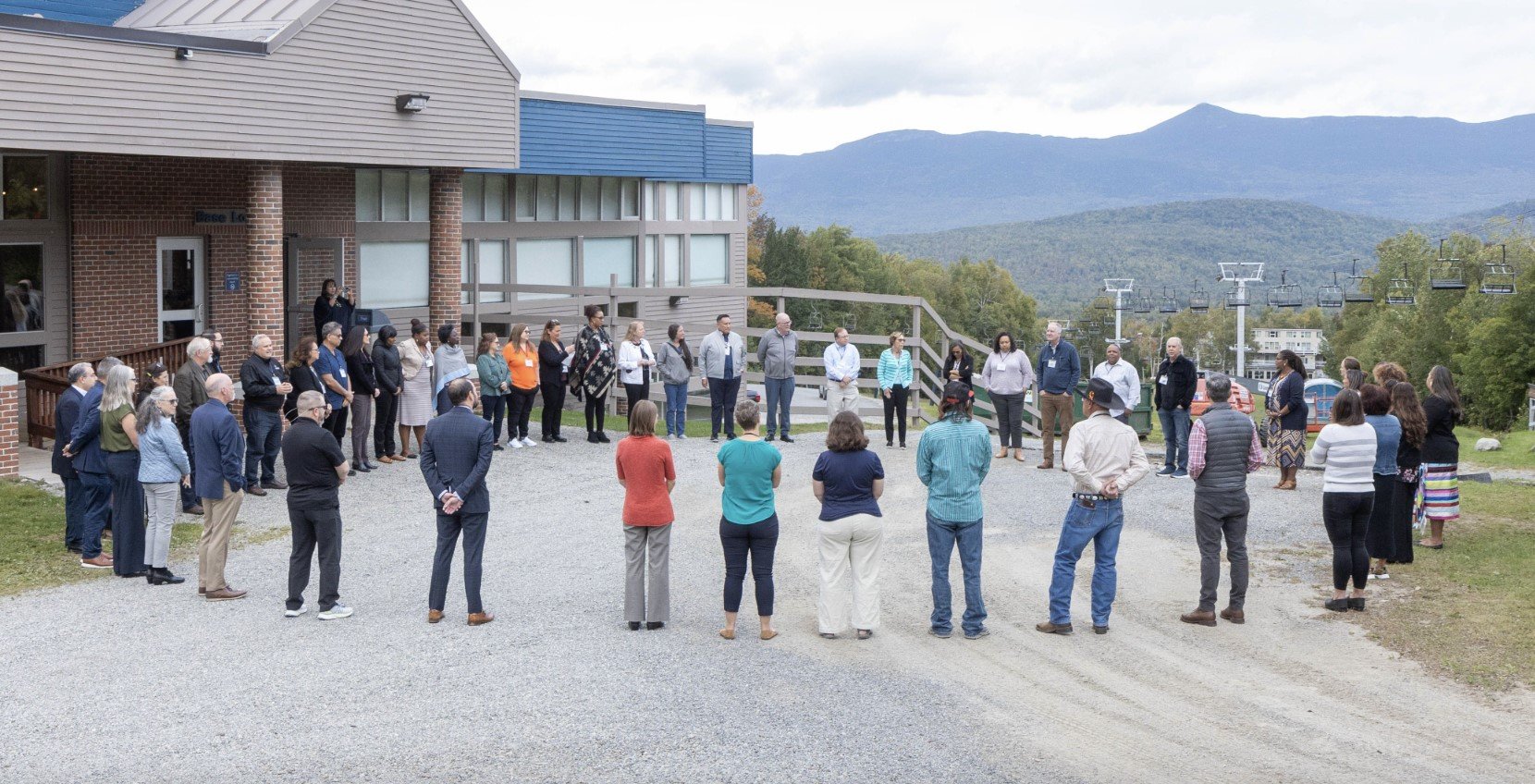
Every two years, 50 new nonprofit leaders enter the NeighborWorks Achieving Excellence Program. A collaboration between NeighborWorks America and Harvard University’s Kennedy School of Government, the program brings together senior leaders of community-serving organizations to address challenges – and find solutions. The program includes thought-provoking content, executive coaching and structured peer group work.
Summary: Leslie Radcliffe understands leadership as service. And she’s committed to serving her neighbors and community. Learn more about this resident leader and why NeighborWorks America will honor her with the Dorothy Richardson Award for Resident Leadership.
Most Black Americans know the history and the legacy of June 19, 1865, the day Union troops finally reached Galveston, Texas, announcing that enslaved people had been freed – a full two and a half years after the Emancipation Proclamation was signed. The celebratory day, which became known as Juneteenth, became a federal holiday in 2021. At that time, only 37% of American adults knew what the holiday meant.
Throughout NeighborWorks America's history, one priority has been to ensure network organizations are governed by strong leaders who serve on their boards. This priority led to the development of NeighborWorks' Excellence in Governance (EIG) program, which is designed exclusively for community development and affordable housing nonprofits.

Get the latest in housing and community development trends and news.

Visit the NeighborWorks' store for homeownership resources.
Connect With Us



1255 Union St. NE, Suite 500
Washington, DC 20002
202-760-4000